There are two kinds of valves every homeowner should know: the one that shuts off the whole house and the small ones that shut off a single fixture. Then there are the fixtures themselves, the toilets, faucets, showers and appliances where supply ends and drainage begins. This guide covers both, from the main shutoff to the flapper in your toilet tank.
The Main Shutoff Valve
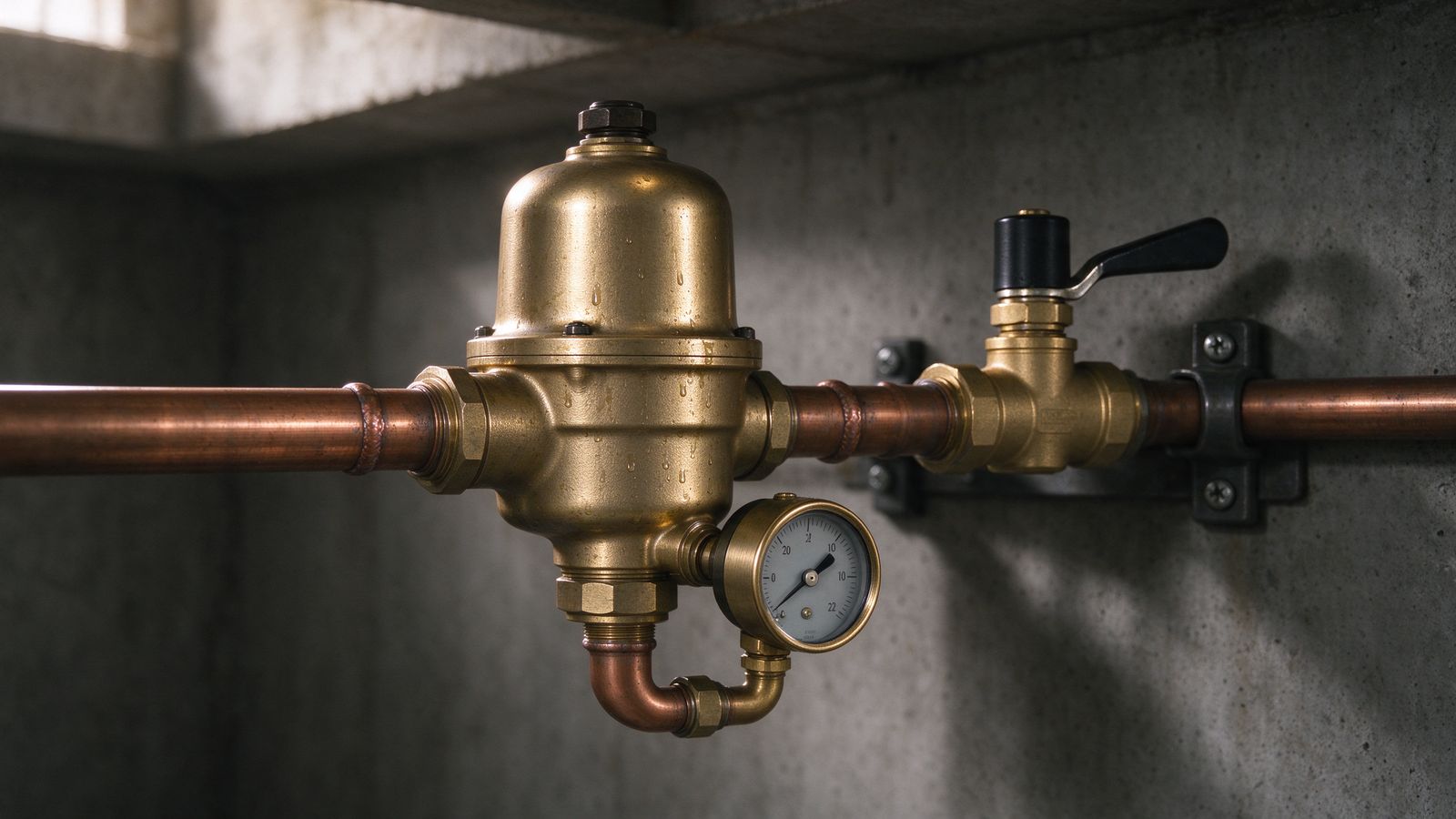
The main shutoff stops water to the entire house. It is usually just inside the wall where the service line enters: in a basement near the front foundation, in a crawlspace, a utility closet, a garage, or near the water heater in slab-on-grade houses. In warm climates it may be outside, near the hose bib on the street side. Some homes have the meter and shutoff in an underground box near the street.
Older main valves are often gate valves, with a round handle that takes several turns. They can seize or fail to seal fully after years untouched, and an old gate valve sometimes starts to drip at the stem once moved. Newer mains are usually ball valves with a lever: a quarter turn closes them, and the lever lines up with the pipe when open.
Find the main, make sure nothing blocks it, and consider tagging it. If it is an old multi-turn valve that has not been moved in years, ask a plumber about checking or replacing it rather than forcing it during an emergency.
There is often another valve, the curb stop, near the property line or in the meter box. It typically belongs to the water utility and needs a special key. In an emergency where your main fails, call the utility.
Fixture Stop Valves
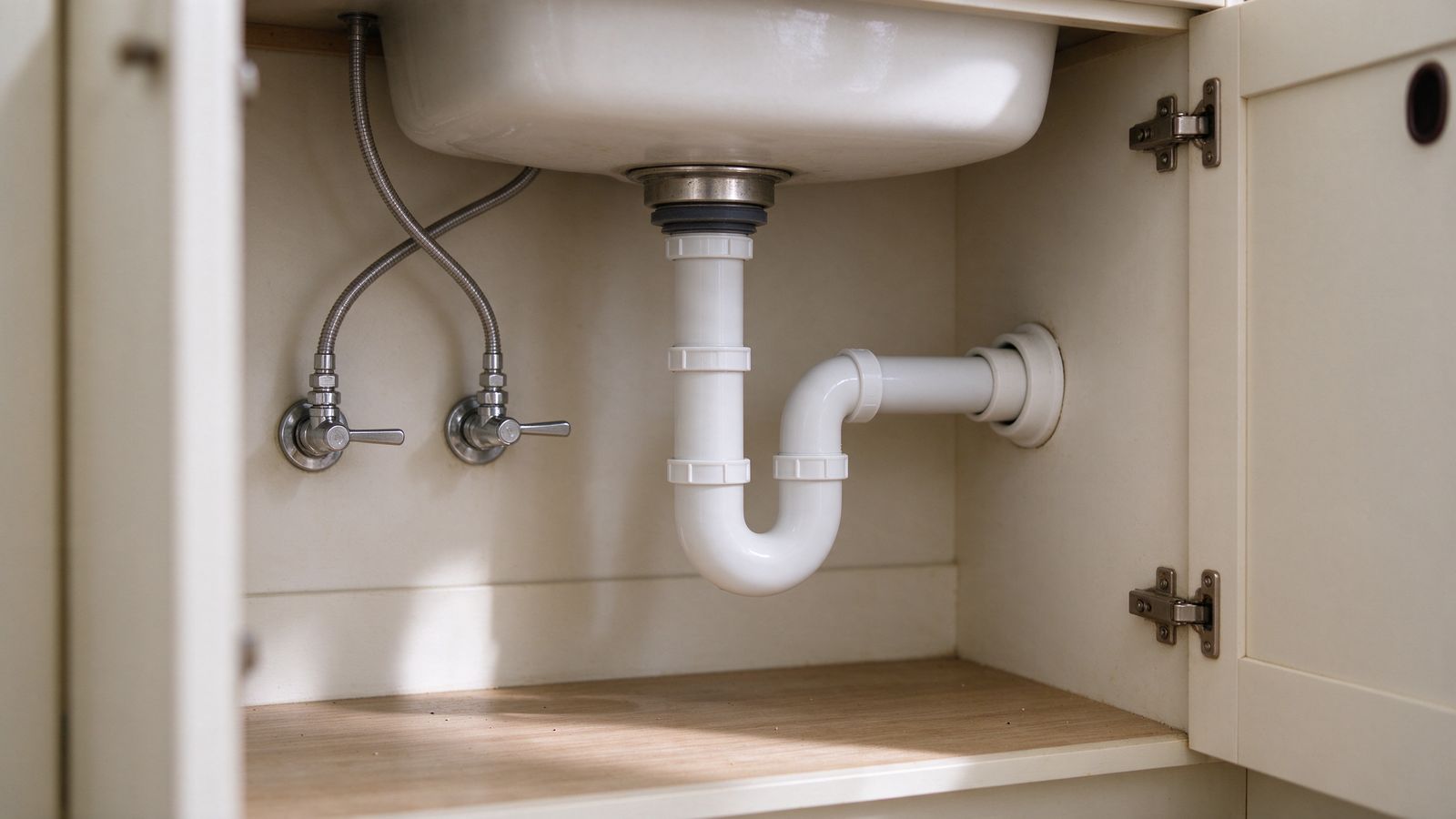
Under most sinks and behind most toilets you will find small valves called stop valves, angle stops when they turn the line ninety degrees, or straight stops when they do not. A flexible supply line runs from the stop to the faucet or toilet fill valve. Closing one lets you work on a single fixture without shutting off the house.
Older stops are multi-turn compression valves with an oval handle. They are known for seizing or weeping after long periods without use. Quarter-turn stops are common in newer work. Supply lines themselves wear: braided stainless lines are common, and plain plastic or old rubber lines are worth replacing as part of routine maintenance. Washing machine hoses deserve the same attention, since they hold full pressure whenever the valves are open.
Inspectors often note saddle valves, small clamp-on taps sometimes used to feed refrigerator ice makers. They are prone to leaking and many plumbers recommend replacing them with a proper tee and valve.
Shower Mixing Valves
A single-handle shower blends hot and cold in a mixing valve behind the wall. Pressure-balancing valves react to a sudden pressure change, such as a toilet flush that pulls cold water away, and adjust so the shower does not suddenly scald. Thermostatic valves hold a set temperature more precisely and often allow separate control of temperature and flow. Many codes require scald protection on showers. Valve cartridges wear out; replacing one is a common plumbing repair.
How a Toilet Works
The tank stores water. When you press the handle, a chain lifts the flapper and the stored water rushes into the bowl, starting a siphon through the trapway in the porcelain. As the tank empties, the fill valve opens to refill it, and a small refill tube tops up the bowl so the trap seal is restored. A float shuts the fill valve when the tank reaches the right level, and an overflow tube sends excess water into the bowl if the fill valve fails to stop.
The most common toilet problem is a running toilet, usually a worn flapper or a fill valve that does not shut off. To check for a silent leak, put a few drops of food coloring in the tank and wait about fifteen minutes without flushing. Color in the bowl means the flapper is leaking. Replacing a flapper is a classic homeowner job; a toilet that rocks, leaks at the base or has a cracked tank is a plumber's job.
Faucets, Showerheads and Flow Rates
Federal standards cap the flow of new fixtures, and the EPA's WaterSense label marks products that use less. Knowing the numbers explains why a new fixture can feel different from the one it replaced.
| Fixture | Federal maximum | WaterSense labeled |
|---|---|---|
| Toilet | 1.6 gallons per flush | 1.28 gallons per flush or less |
| Bathroom faucet | 2.2 gallons per minute | 1.5 gallons per minute or less |
| Showerhead | 2.5 gallons per minute | 2.0 gallons per minute or less |
Some states set stricter limits than the federal ones. When a faucet's flow drops over time, the first suspect is the aerator screen at the spout tip, which collects scale and debris and is easy to clean. If the whole house is weak, read the water pressure guide instead.
Cleaning aerators, replacing a flapper or a braided supply line with the stop closed, and exercising stop valves are reasonable owner tasks. Replacing mixing valves, main shutoffs, or anything soldered, threaded into a wall or requiring a permit belongs with a licensed plumber.
Fixtures and Valves Questions
How often should I turn my shutoff valves?
Many plumbers suggest operating fixture stops occasionally so they do not seize. Be gentle with old multi-turn valves; if one drips at the stem after you move it, a small turn of the packing nut sometimes stops it, but a valve that will not seal is a replacement job for a plumber.
Why does my toilet refill by itself every so often?
That is usually a slow leak from the tank into the bowl past the flapper. The food coloring test confirms it. It wastes water quietly, so it is worth fixing.
What is the small cap or valve on my outdoor faucet?
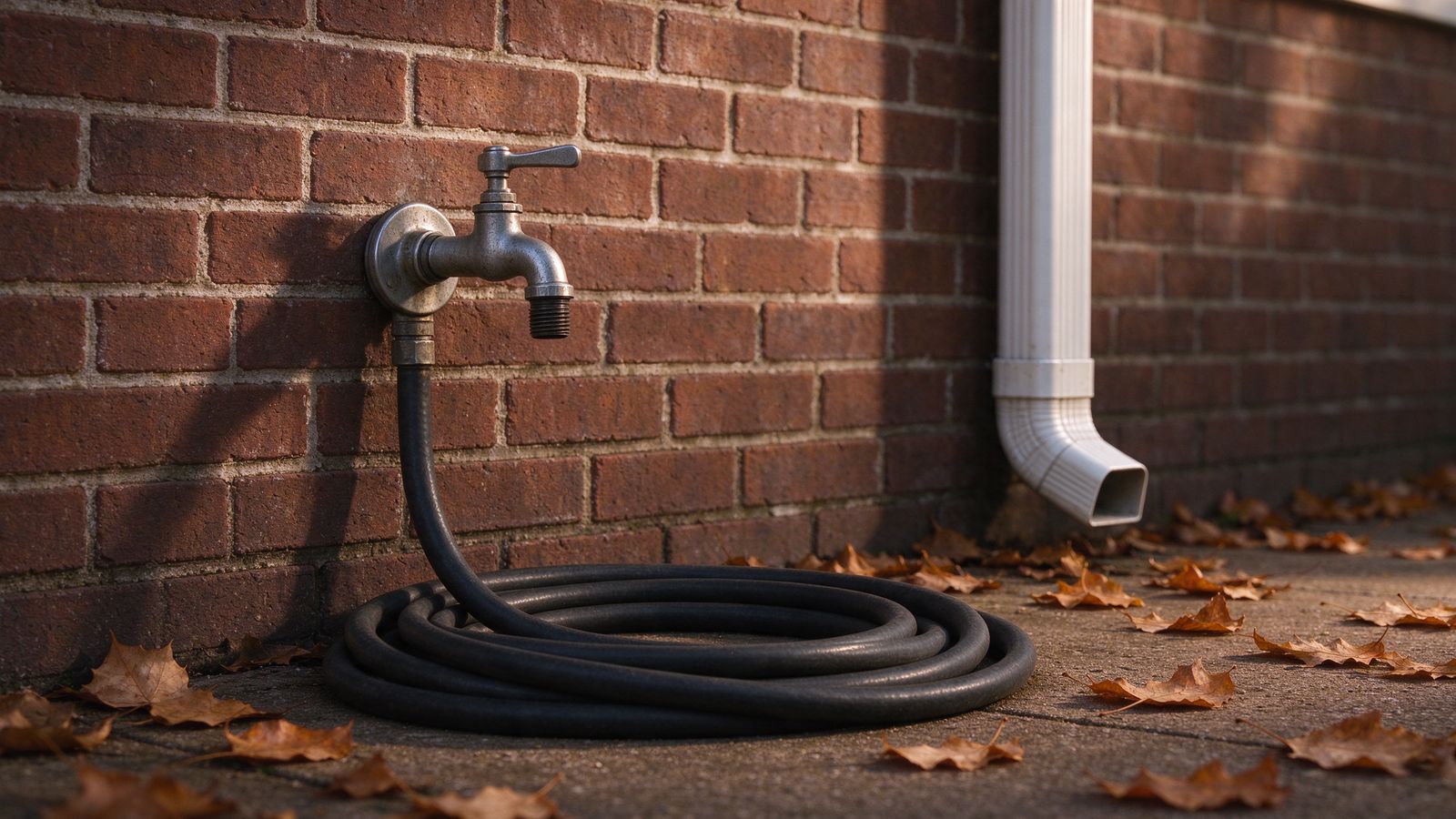
Often a vacuum breaker, which prevents water in a garden hose from being pulled back into the house supply. It is a backflow protection device, and many codes require one on hose connections.