

The homeowner's plumbing manual
Home Plumbing Explained
Pressure brings water in. Gravity takes it out. Everything else in your walls, from the trap under the sink to the vent on the roof, exists to keep those two systems honest. Learn how yours works before something goes wrong.
Why this exists
A Plain-Language Manual for the Pipes in Your Walls
Most people meet their plumbing on the worst day: a ceiling stain, a cold shower, a drain that will not quit gurgling. Plumberologist is the calm version of that conversation, written for homeowners who would rather understand the system first.
Every house in the country runs on the same physics. Water arrives under pressure through a supply system, gets used at a fixture, and leaves by gravity through a drain-waste-vent system. The details change with the age of the house, the pipe material and local code, which is why we explain the reasoning behind each part instead of handing out one-size rules.
We are not plumbers, and we do not sell plumbing. When a job moves past basic maintenance, every guide here tells you so plainly and points you toward a licensed professional.
Sheet 01 / House rules
Four Rules Run Every House
Hover or tap a rule below. Each one explains a whole family of plumbing problems, and most strange noises, smells and leaks trace back to one of them.
01 / Pressure in
Supply water arrives under pressure
The street main or a well pump pushes water into the house, which is why supply pipes can be small and run uphill. It is also why a supply leak sprays at any hour, even when nobody is using water.
02 / Gravity out
Drains run on slope, not pressure
Waste pipes are larger and must fall steadily toward the sewer or septic tank. Nothing pushes them. A drain line that sags, loses its slope or collects debris simply slows down until it backs up.
03 / Air behind
Vents let the drains breathe
Moving water needs air behind it. Vent pipes, usually ending above the roof, let air into the drain system so water flows smoothly and does not drag the water out of the traps behind it.
04 / Water seals
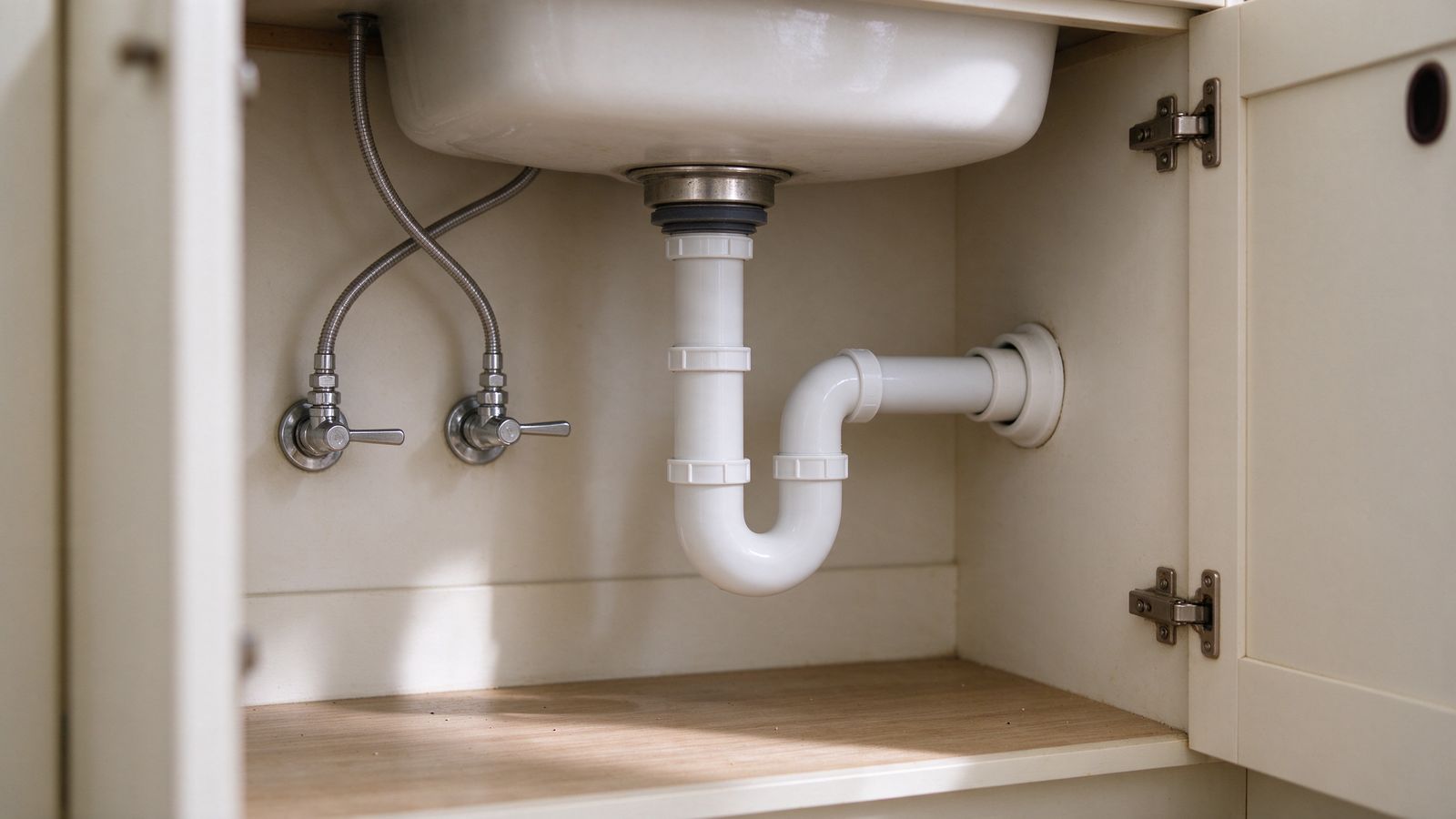
Traps hold a plug of water
The curved trap under each fixture keeps a small pool of water that blocks sewer gas from the room. When that seal dries out or gets siphoned away, the sewer smell walks right in.
Pressure in / Gravity out / Air behind / Water sealsSupply / DWV
The route
Follow One Gallon Through the House
Scroll to trace a gallon from the street to the sewer. Every stop is a place where something can be shut off, adjusted, inspected or quietly fail.
Read the systems guide-
01
Service line
Water enters from the street main or a private well, buried below the frost line.
-
02
Main shutoff
One valve stops water to the whole house. Find it before you need it.
-
03
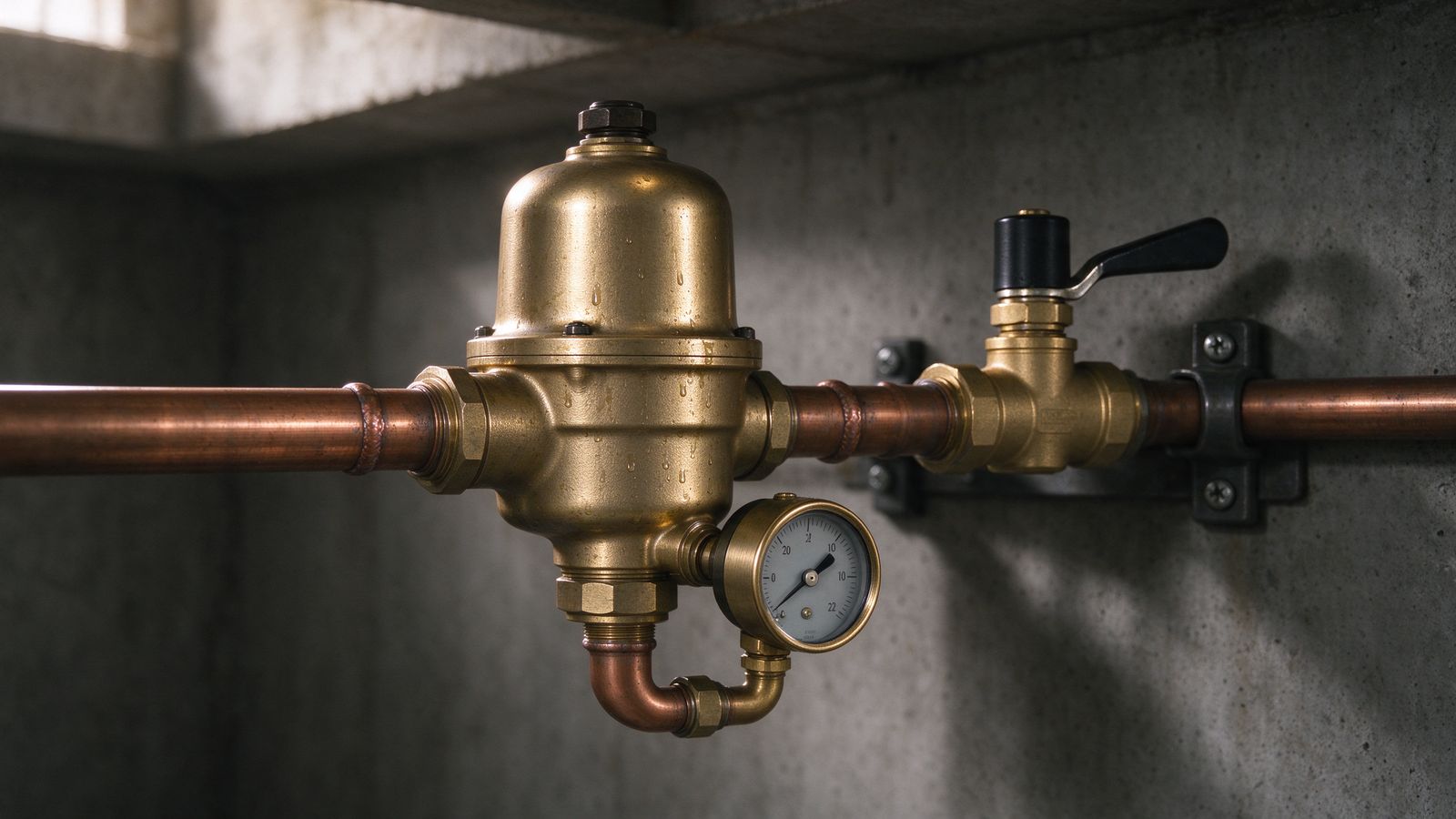
Pressure valve
Where street pressure runs high, a PRV trims it to a steadier level.
-
04
Water heater
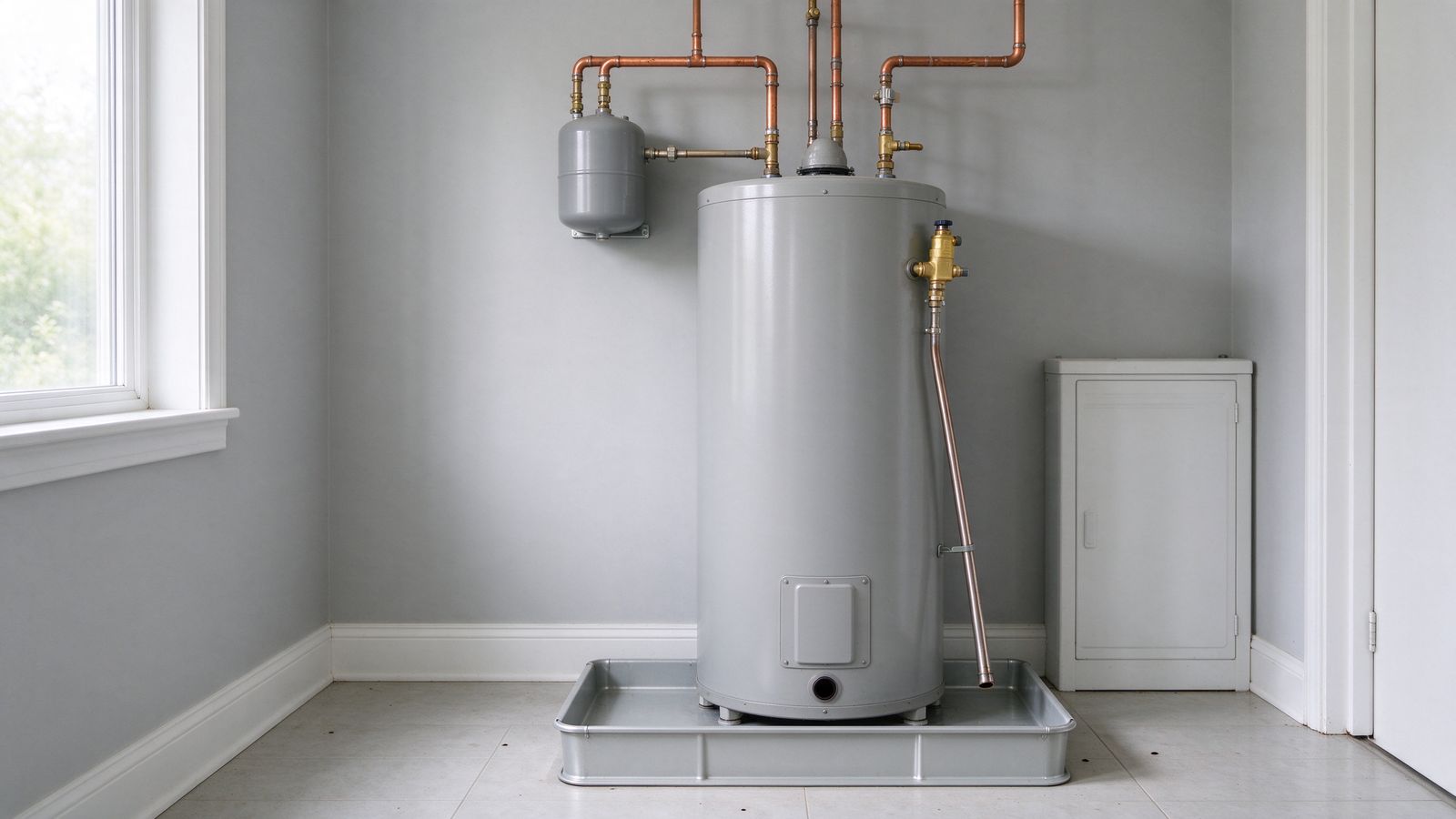
Part of the cold supply is heated, then sent out on its own hot lines.
-
05
Fixture
Hot and cold lines end at small stop valves under the sink or toilet.
-
06
Trap
Used water drops through the trap, which refills with a fresh water seal.
-
07
Stack and vent
Branch drains join a vertical stack; its top opens to air above the roof.
-
08
Building drain
Waste slopes out under the floor to the city sewer or a septic tank.
Pipe by decade
Every Era Left Its Pipe
The material inside your walls dates the plumbing almost as well as a permit file. Most American houses went through some version of this sequence.
-
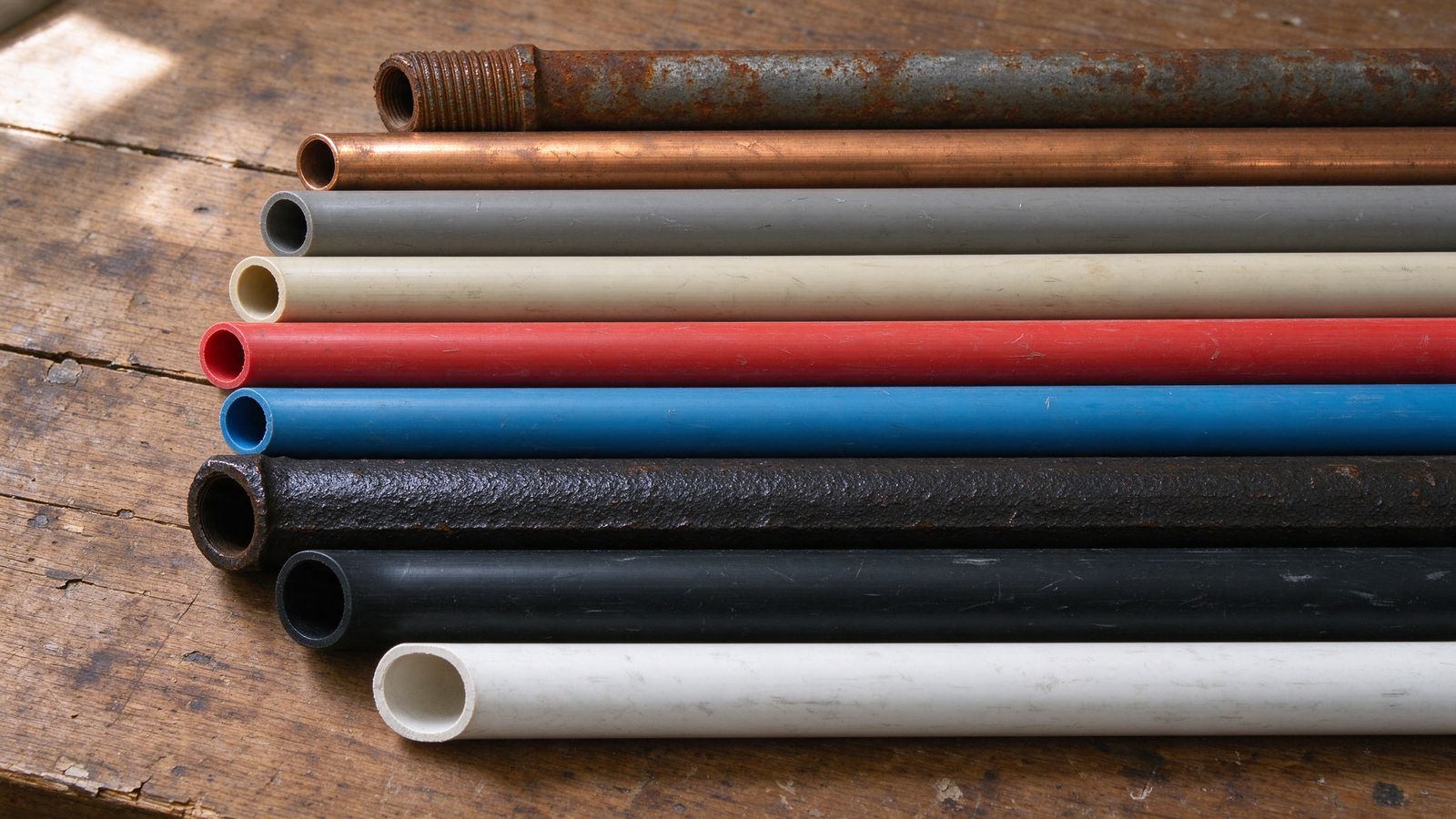
Galvanized.
Supply / older homesZinc-coated steel supply pipe in many older homes. It corrodes from the inside, so flow shrinks over decades and rusty water often shows up first.
-
Cast iron.
Drain and ventHeavy, quiet drain and vent pipe used before plastics took over. It can last a long time, then crack, scale up or rust through along the bottom.
-
Copper.
SupplyThe standard supply pipe for decades. Durable and well understood, though aggressive water chemistry can cause pinhole leaks.
-
Polybutylene.
Supply / about 1978 to 1995Gray plastic supply pipe installed from the late 1970s to the mid 1990s. Its failure record means inspectors and insurers flag it on sight.
-
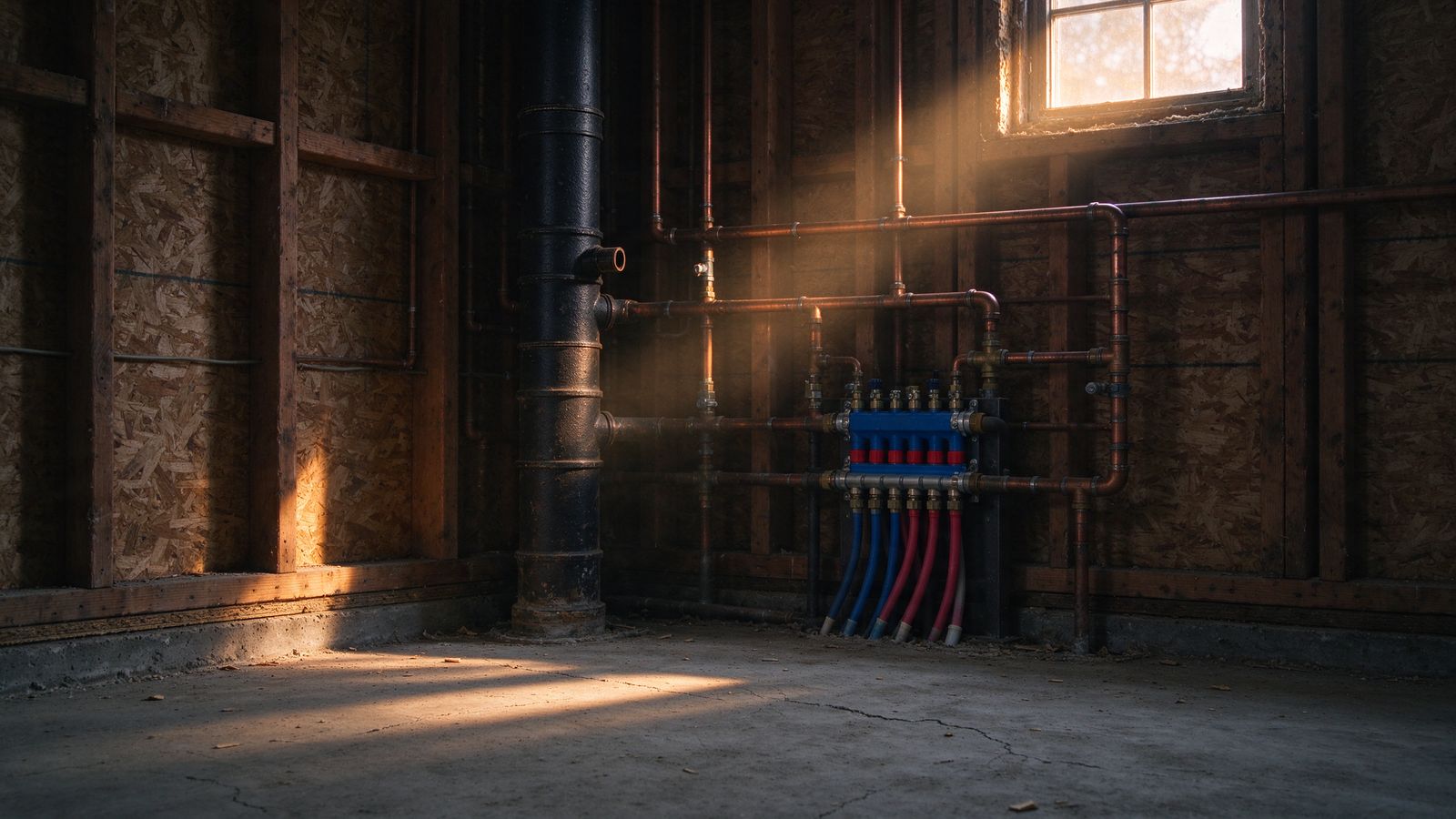
PEX.
Supply / todayFlexible cross-linked polyethylene, now one of the most common supply pipes in new construction. The red and blue colors are only for identification.
Index / Nine guides
The Plumberologist Guide Library
Start anywhere. Each guide explains one part of the house in depth and links to the parts it touches.
-
Two separate networks share every wall: pressurized supply and gravity drain-waste-vent. Includes the interactive house cutaway with layers you can switch on and off.
Read the supply and dwv systems guide -
Why drains gurgle, why a basement floor drain starts to smell, and how traps and vents work together to keep sewer gas out of the house.
Read the traps and vents guide -
Static versus working pressure, the 40 to 80 psi band, what a pressure reducing valve does, and how to read a hose-bib gauge.
Read the water pressure and prvs guide -
Galvanized, copper, polybutylene, CPVC, PEX, cast iron, ABS and PVC: how to identify each one and what to know about it.
Read the pipe materials guide -
Tank, tankless and heat pump water heaters, plus the parts that matter for safety: the relief valve, anode rod and expansion tank.
Read the water heaters guide -
Main shutoffs, angle stops, mixing valves, toilets and faucets. What each valve does and which ones every adult in the house should find.
Read the fixtures and valves guide -
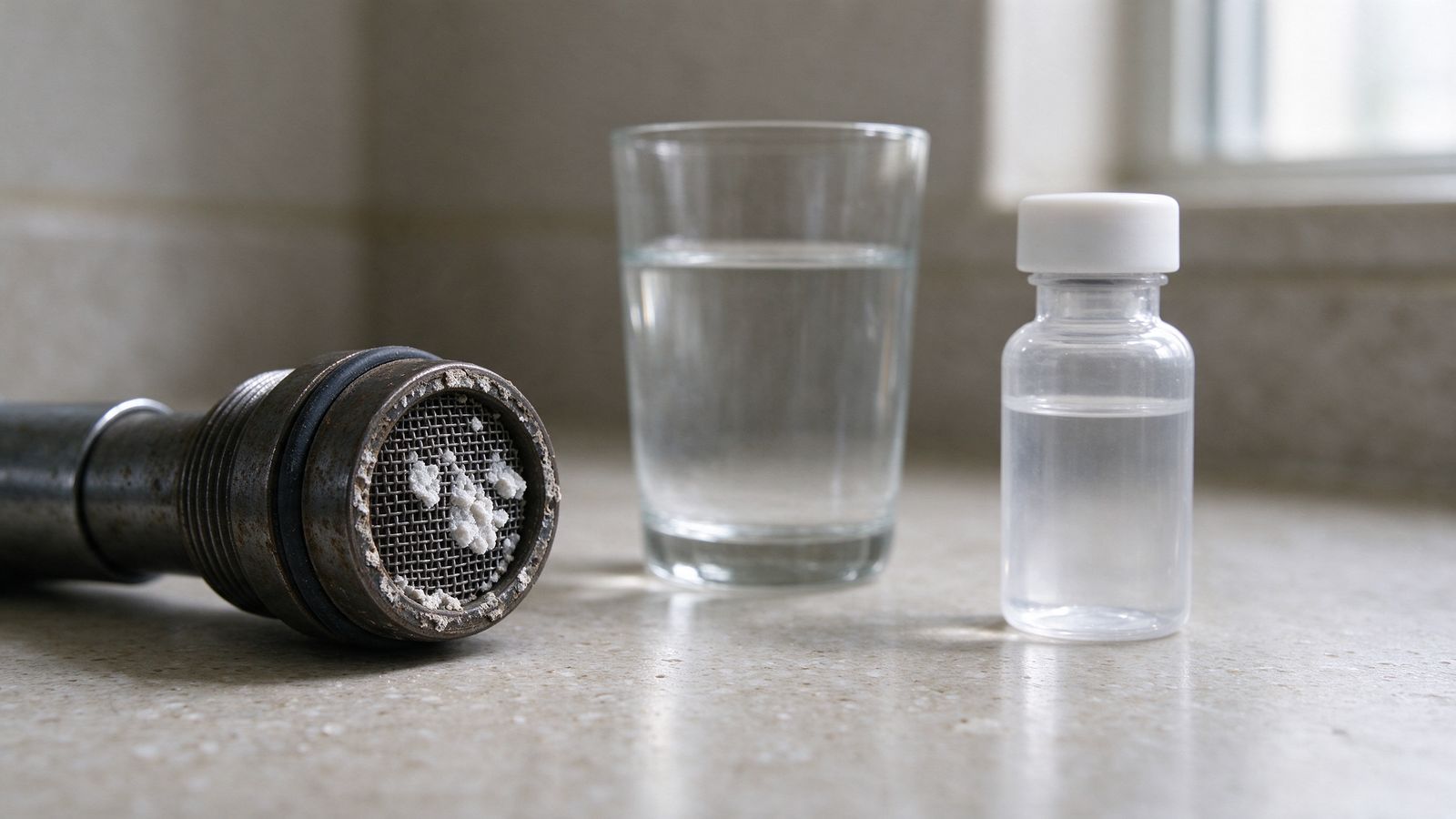
Hard water and scale, the annual water quality report, private well basics, and how testing through a certified lab works.
Read the water quality basics guide -
A decoder for the plumbing section of a home inspection report, with a searchable list of the terms inspectors use.
Read the inspection reports guide -
A seasonal checklist of small, safe tasks that catch problems early, with clear lines where a licensed plumber should take over.
Read the maintenance checklist guide
A calm routine
When Something Seems Off
Most plumbing surprises go better with the same five moves, in the same order.
-
01
Stop the water first
If water is going where it should not, close the fixture stop valve or the main shutoff. Every adult in the house should know where the main is. The fixtures and valves guide shows the common types.
-
02
Look before you guess
Note where the water or smell appears, when it happens and which fixtures are running. A drip only during showers points somewhere very different from a stain after every flush.
-
03
Decide which system it is
Supply leaks happen any time because the pipes are always under pressure. Drain leaks happen only when something drains. That single question narrows most problems quickly.
-
04
Handle only the basics
Cleaning an aerator, replacing a flapper or clearing a sink trap is homeowner territory. Gas, water heater replacement, sewer lines and anything inside a wall are not.
-
05
Call a licensed plumber with notes
Bring what you observed. A plumber who hears that a drain only gurgles when the washing machine empties can start in the right place, which saves time for everyone.
Quick answers
Home Plumbing Questions, Answered Plainly
Have a question these do not cover? Send it through the ask a plumbing question page.
Is Plumberologist a plumbing company?
No. Plumberologist is an independent educational site. We explain how home plumbing works so you can understand your house, read an inspection report and talk to a licensed plumber with better questions. We do not sell, quote or perform plumbing work.
What is the difference between supply and drain plumbing?
Supply plumbing brings clean water in under pressure through small pipes. Drain-waste-vent plumbing carries used water out by gravity through larger, sloped pipes, with vents that let air in behind the water. The two systems never connect inside a properly built house.
How do I know what kind of pipe my house has?
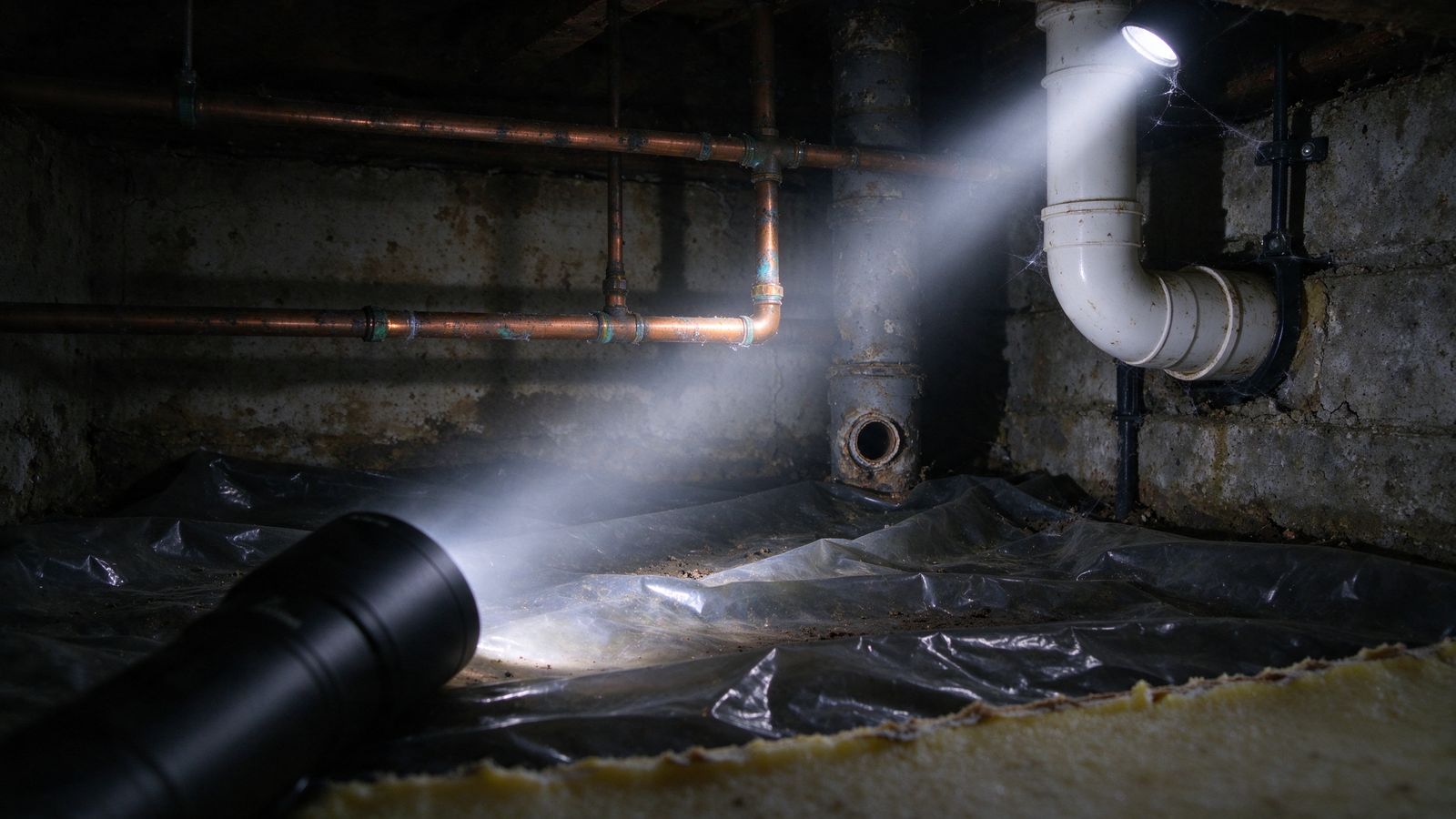
Look where pipes are exposed: near the water heater, under sinks, at the main shutoff and in a basement or crawlspace. Color, stiffness, fittings and printed markings usually identify the material. The pipe materials guide walks through each one.
Which plumbing jobs can a homeowner safely do?
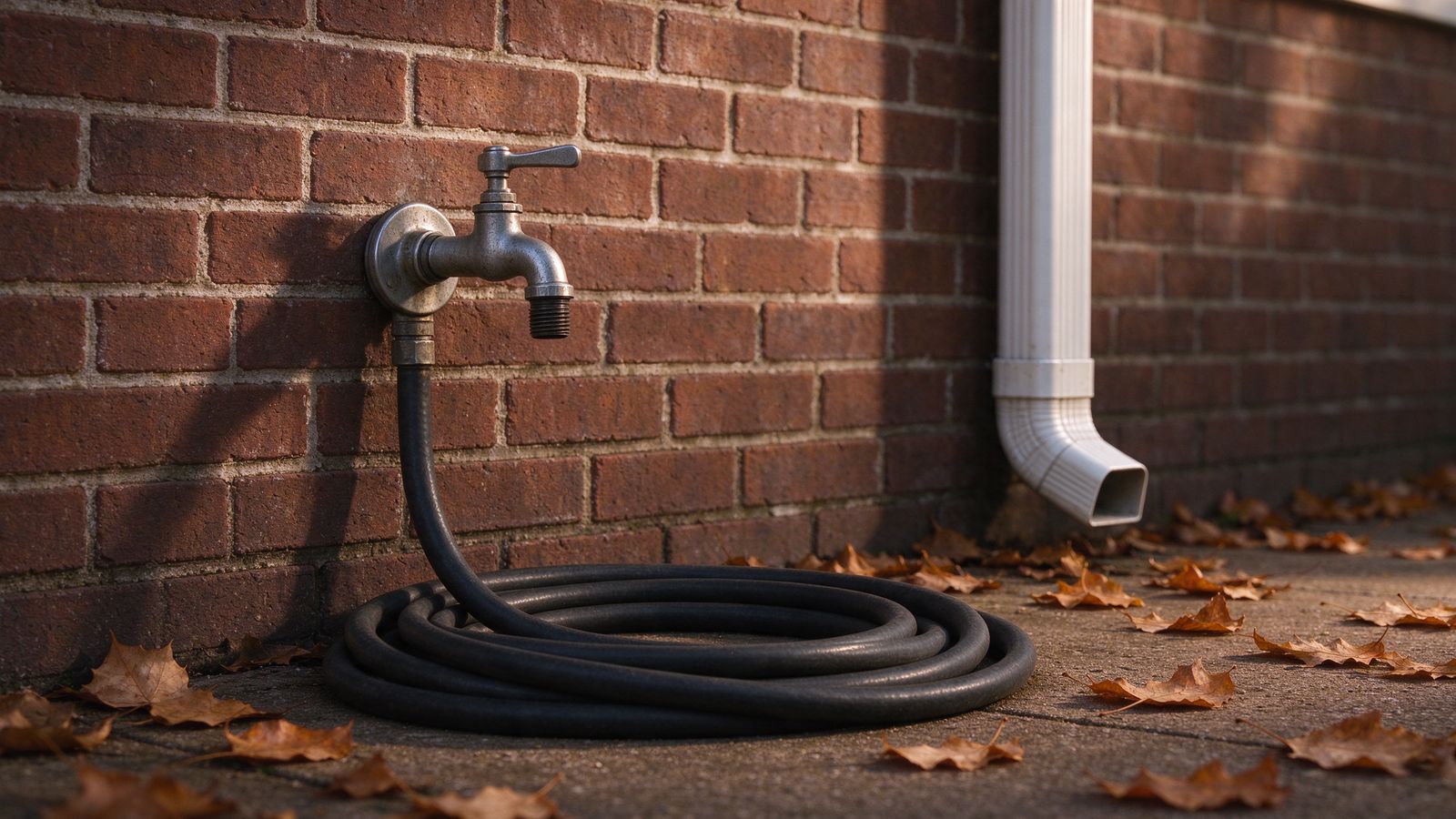
Basic upkeep such as cleaning faucet aerators, clearing a sink trap, replacing a toilet flapper, exercising fixture shutoffs and draining outdoor faucets before a freeze. Gas work, water heater installation, sewer lines and anything that needs a permit belong with a licensed plumber.
Curious What Is Behind That Wall?
Send a question about your own plumbing. We answer in general, educational terms and will tell you honestly when it is a job for a licensed plumber.
Ask a plumbing question